
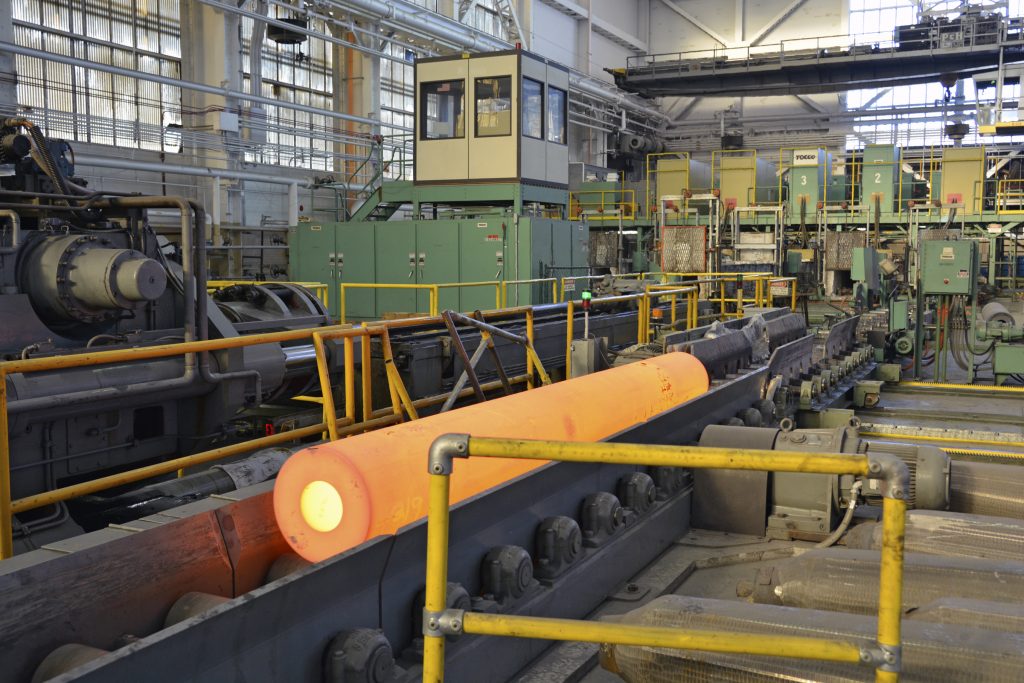
Army ManTech has pioneered a novel manufacturing process for large-caliber cannons, delivering a prototype facility that demonstrates faster, more cost-effective production. This breakthrough strengthens the Army’s innovation ecosystem and supports continuous transformation in advanced weapon systems.
09/23/2025
Manufacturing Technology Transition Transformation in Contact Warfighter Readiness ManTech
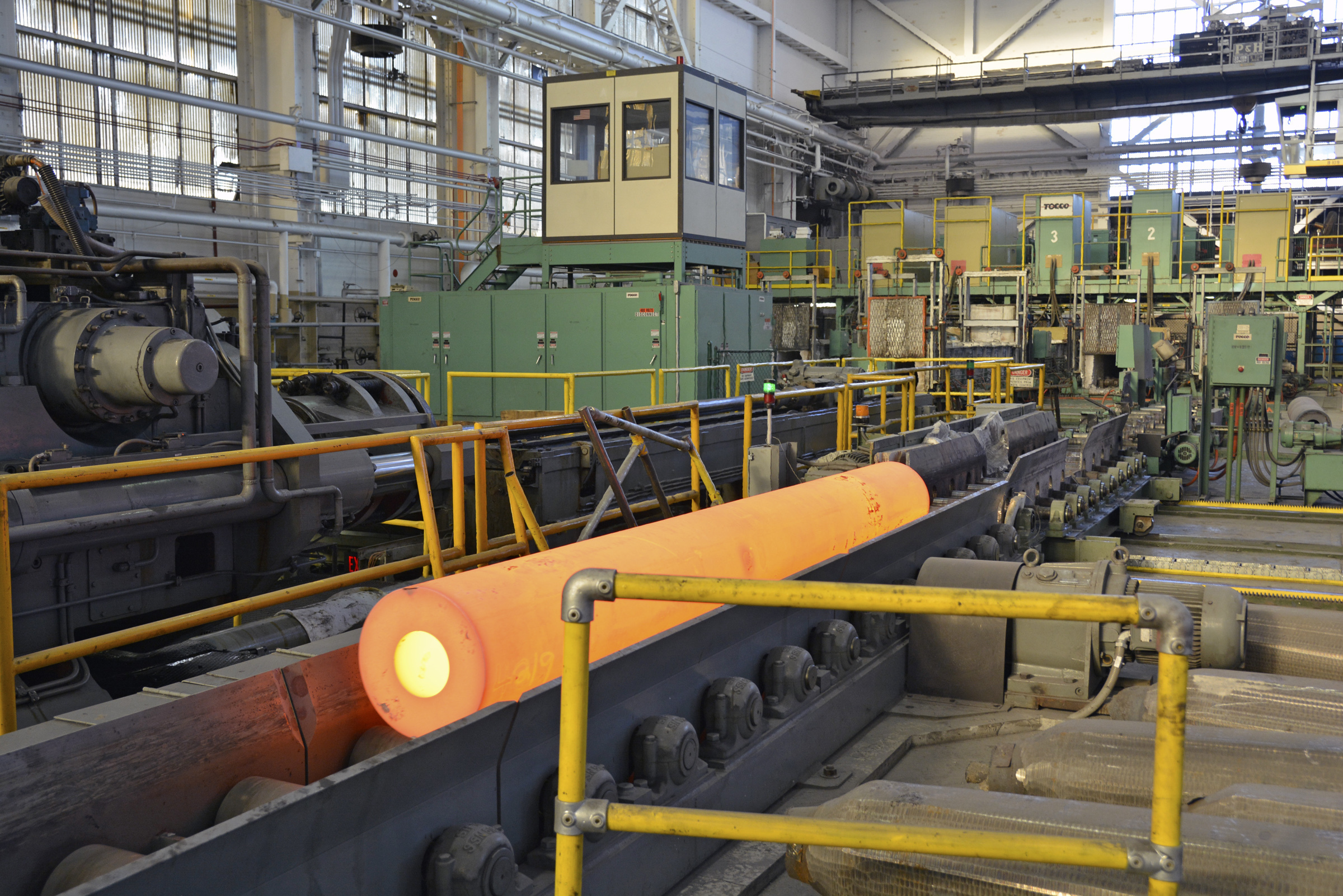
Extended-range artillery is a cornerstone of the Army’s overmatch strategy, but manufacturing the barrels for these powerful systems has long posed significant challenges. Traditionally, large-caliber cannon barrels are rifled using broach-cutting techniques. However, the use of high-strength materials and increasingly complex rifling profiles have strained these legacy methods. High tooling loads require frequent resharpening and specialized coatings, driving up costs and limiting throughput.
To overcome these limitations, the Army ManTech program led a multi-partner initiative to develop a novel manufacturing process for large-caliber cannons. With a $6.1 million investment, the team advanced the technology from Manufacturing Readiness Level (MRL) 4 to MRL 7, culminating in a prototype facility that successfully produced multiple cannon models. This achievement enabled the technology’s transition to Arsenal, positioning it for real-world application and scale.
The prototype facility integrates advanced manufacturing techniques that streamline rifling and enable new design features. By reducing tooling complexity and optimizing process flow, the team achieved:
The new process eliminates many of the inefficiencies of broach-cutting, offering a flexible platform that can adapt to future cannon designs. It also supports the use of high-strength materials without compromising precision or durability.
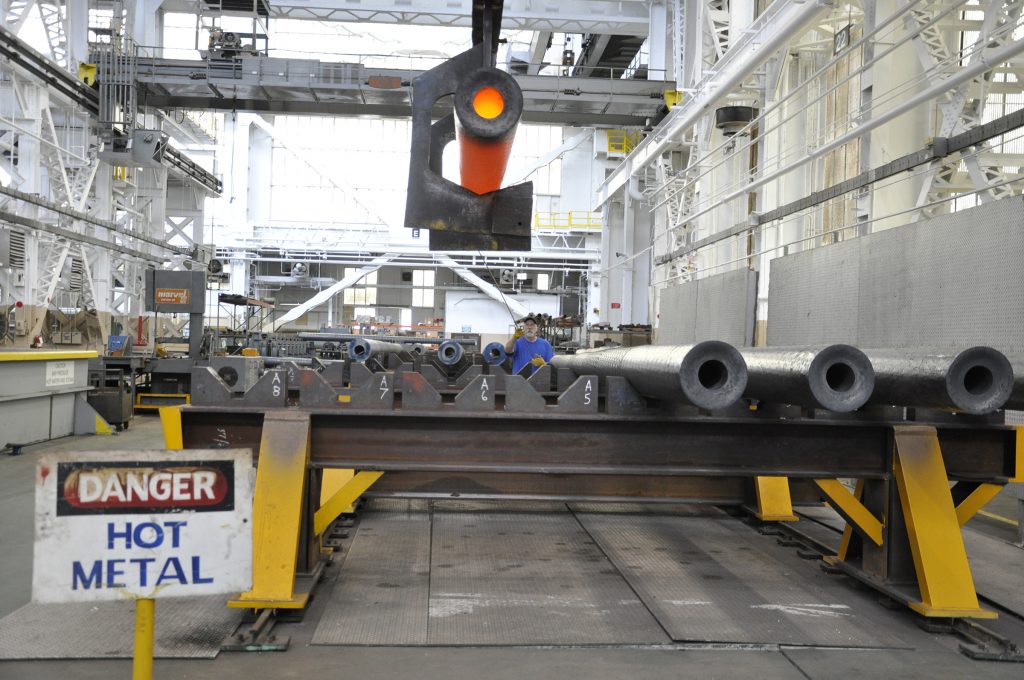
This breakthrough directly supports the Army’s long-range precision fires modernization strategy. By enabling faster, more cost-effective production of extended-range cannons, the new process enhances readiness and responsiveness across the force. It also strengthens the organic industrial base by introducing a manufacturing platform that is resilient, adaptable, and aligned with future system needs.
The successful transition to Arsenal marks a critical milestone, ensuring the technology is embedded within Army production infrastructure. Moreover, the initiative sets a precedent for how Army ManTech investments can drive enduring transformation across the manufacturing ecosystem.
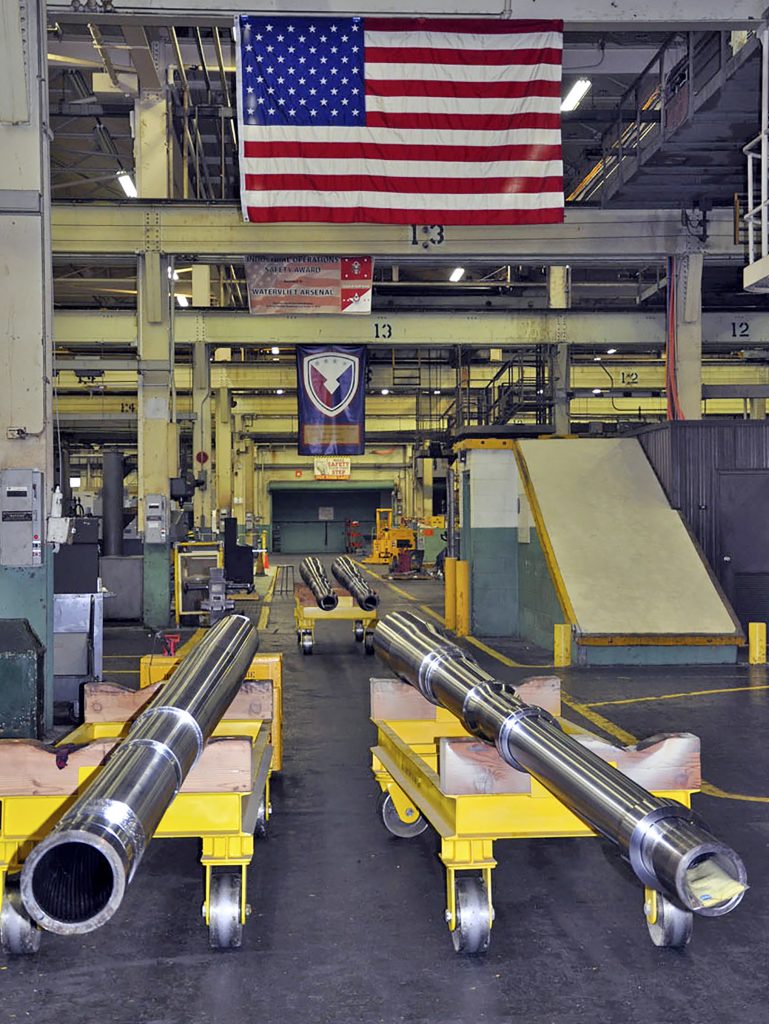
This effort was led by Army ManTech in partnership with the U.S. Army Combat Capabilities Development Command (DEVCOM) Armaments Center, General Electric Research and Development, Faraday Technology Inc., and Corrdesa Inc. The collaboration brought together deep expertise in materials science, electrochemical processing, and advanced manufacturing to deliver a solution that meets the Army’s evolving operational needs.
Army FUZE is proud to spotlight this achievement as a model of how coordinated innovation, driven by strategic investment and cross-sector collaboration, can deliver real-world impact for the warfighter.