
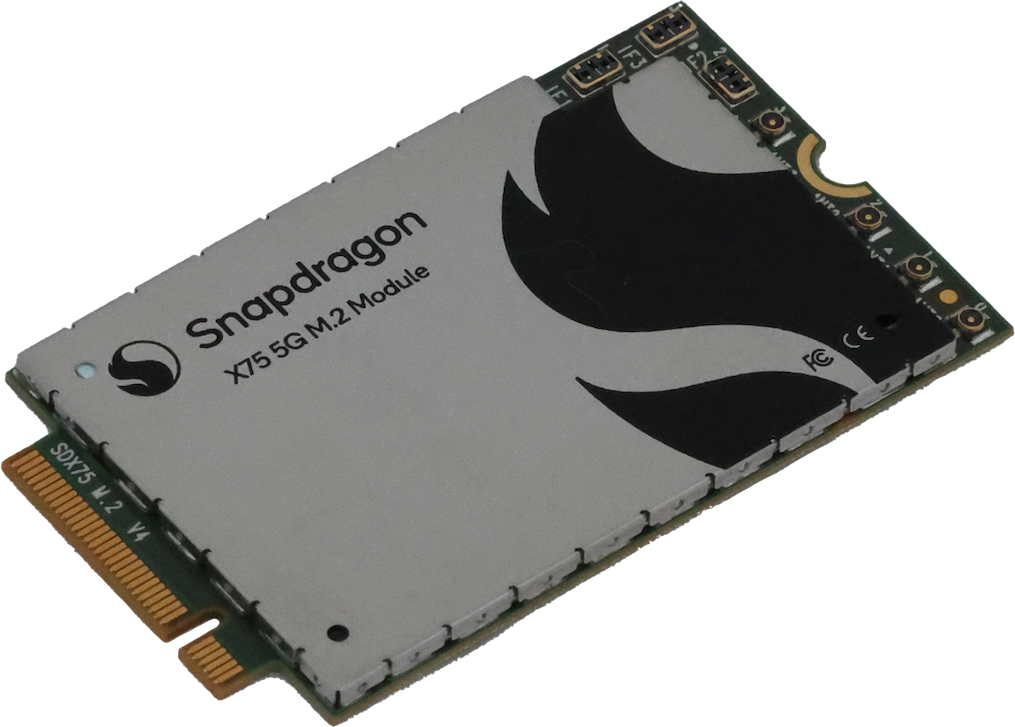
The Army's Technology Maturation Initiative (TMI) ANUBIS initiative has successfully demonstrated M-code GPS functionality on low-cost commercial SDR platforms, offering a scalable alternative to proprietary ASIC chips. This breakthrough supports assured PNT modernization and exemplifies how Army FUZE accelerates transition-ready technologies through targeted prototyping and cross-sector collaboration.
09/23/2025
Continuous Transformation Dual-Use Solutions Modernization Next Gen Capability Technology Transition TMI
Assured positioning, navigation, and timing (PNT) is foundational to modern military operations. In response to Congressional mandates, the Department of War is transitioning all GPS receivers to M-code – a modernized signal offering stronger encryption, improved anti-jam performance, and greater signal integrity in contested environments.
However, the Army’s reliance on proprietary, single-source ASIC chips has created significant barriers to implementation. Limited chip availability, high setup costs, and inflexible production timelines have delayed progress and constrained scalability.
To overcome these challenges, the Army’s Technology Maturation Initiative (TMI) launched ANUBIS – a targeted effort to port M-code functionality to commercial Software Defined Radio (SDR) platforms. Leveraging Qualcomm’s Snapdragon architecture, ANUBIS demonstrated secure, anti-jam-capable GPS performance in both static and high-speed operational environments.
The ANUBIS prototype underwent rigorous testing to validate its performance and compliance with military security standards. Key outcomes include:
By shifting from proprietary ASICs to commercially available SDRs, ANUBIS offers a flexible, affordable pathway to scale M-code capabilities across Army platforms.
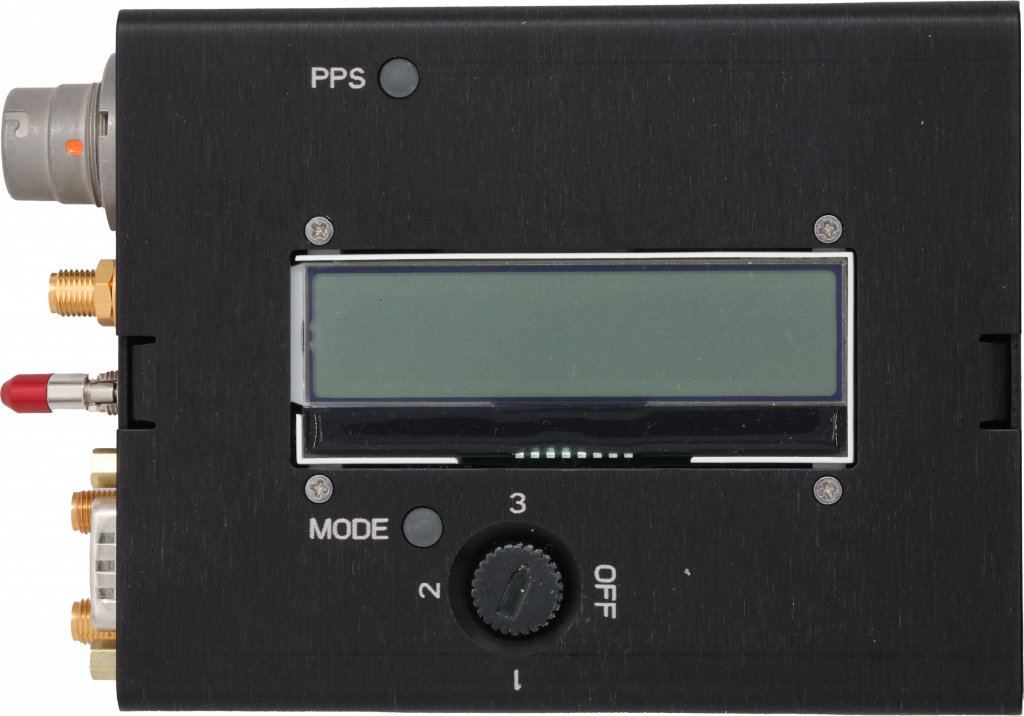
ANUBIS exemplifies the type of challenge Army FUZE is designed to solve bridging the gap between promising technology and operational deployment. As a core program within FUZE, TMI plays a critical role in advancing mature technologies toward transition.
This initiative demonstrates how targeted prototyping, dual-use leverage, and cross-stakeholder coordination can deliver scalable solutions that reduce cost, accelerate timelines, and enhance mission readiness.
Looking ahead to FY2025, ANUBIS aims to finalize hardware design and integrate M-code into multiple Army Programs of Record, across Army PEOs and other DOW partners.
ANUBIS is led by Army TMI in coordination with Army PNT modernization stakeholders, commercial SDR developers, and defense integration experts. The effort reflects FUZE’s broader strategy: harnessing commercial innovation, reducing barriers to adoption, and delivering mission-ready capabilities at speed and scale.
For deeper insights into the Army’s shift toward commercial chip solutions for assured PNT, read the full story in National Defense Magazine: https://www.nationaldefensemagazine.org/articles/2025/7/1/army-looks-to-go-commercial-for-assured-pnt-chips